
Notes
How to Get More Google Reviews (Without Feeling Awkward About Asking)
You do great work. Your customers tell you so, right there in your driveway or at the front desk before they leave.
Reviewed by Melike Erguven, Co-founder of LocalLeadSignal · July 13, 2026 · 13 min read
You do great work. Your customers tell you so, right there in your driveway or at the front desk before they leave. And then they drive away, and that compliment disappears into the air while your competitor down the street, the one with the slower response times and the chipped waiting room chairs, is sitting at 87 Google reviews to your 11.
That gap is not about quality. It is about process.
Most service businesses lose reviews the same way: the customer meant to leave one, no one made it easy, and life got in the way. There is no friction in the competitor's setup. They have a system. It might not even be a complicated system, but it exists, and yours does not yet.
That is what this guide is for. We work with service businesses every day at LocalLeadSignal, handling the SEO, listings, review monitoring, and online reputation management that most owners do not have time to manage themselves. We have seen what moves the needle, and more often than not, it starts with fixing the review process.
Why Google Reviews Matter More Than Most Business Owners Realize
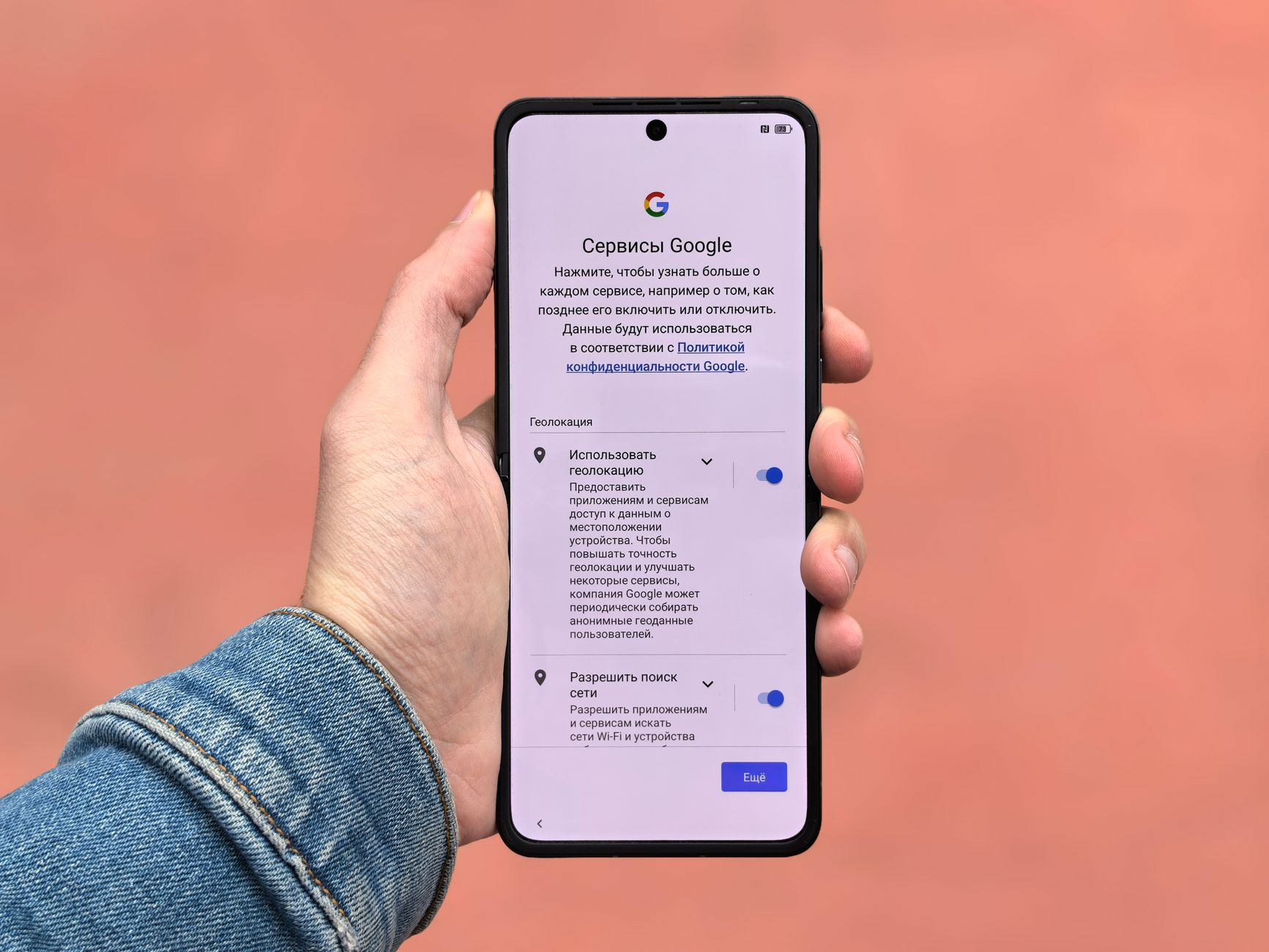
Reviews are not just there to make your profile look trustworthy. They are a direct ranking signal. Google's own guidance on tips to improve your local ranking on Google lists reviews and responses explicitly as factors in how your business ranks locally. That means the businesses appearing in the Google Map Pack, those top three results with the map above them, got there partly because of their review activity, not just because they have a pretty website.
Two things matter most inside that signal: review count and review recency. Volume shows Google your business is active and trusted by real customers. Recency shows that the trust is current, not just a burst of enthusiasm from three years ago. A business with 40 reviews earned over the past 12 months will generally outperform one with 60 reviews where the last one came in eight months ago. Google maps marketing is not a one-time campaign. It is an ongoing signal.
There is a second reason review count matters, and it happens before a customer even clicks. Your star rating and review count are visible in the search results themselves. More reviews, especially with a strong rating, tend to pull more clicks. Better click-through rates feed back into your local SEO health over time. It is a cycle, and reviews are part of what keeps it moving.
Here is something worth keeping in mind as search changes: AI visibility for local business is becoming a real consideration. When someone asks ChatGPT, Perplexity, or Google's Gemini about the best plumber or chiropractor in their area, those tools are increasingly pulling signals from what exists publicly about your business, including your review profile. A well-reviewed business with recent activity and thoughtful responses is more likely to appear in generative engine optimization outputs. This is still an emerging space, but it is connected to the same reputation signals you are building right now for traditional local SEO.
The Simplest Ways to Ask for a Review (That Actually Work)
Timing is almost everything. The best moment to ask for a review is the moment a customer expresses genuine satisfaction, right at the end of a service call, as they are signing off on a job, or right after they say "this looks great." That feeling is at its peak. Wait two days and the enthusiasm cools. Wait a week and the moment is gone.
For in-person asks, the goal is casual and conversational, not stiff. Something like: "I'm really glad it worked out well. If you ever have a second, a Google review would mean a lot to us, it really helps small businesses like mine. I can text you the link right now if that's easier." That is it. You are not begging. You are making it human and making it effortless in the same breath.
Text message follow-ups are the highest-converting format most service businesses are not using consistently. Send it within an hour or two of completing the job while the customer's good experience is still fresh. Keep it short:
"Hi [Name], thanks so much for choosing us today. If you have a minute, we'd love a Google review. Here's a direct link: [your short review link]. It really helps. Thanks!"
That is your review request text message. No paragraphs. No guilt. A clean link and a genuine thanks.
Email works well too, especially for clients you bill or send paperwork to. A subject line like "Quick favor, [Name]?" outperforms generic ones. The body should be one short paragraph acknowledging the work you did together, one line asking for a review, and the review link. One link. Not three, not a homepage, a single direct path to the review form.
Here is a review request email template you can adapt:
Subject: Quick favor, [Name]?
Hi [Name],
It was great working with you on [project/service]. If you have a minute, I'd love it if you could share your experience on Google. It helps other people find us, and it means a lot to our team.
[Leave a Google Review]
Thanks so much,
[Your name]
A few things to avoid in any ask: do not say "if you had a good experience, please leave us a review." That language implies you only want reviews from happy customers, which is called review gating, and it violates Google's guidelines. Do not offer gift cards, discounts, or anything in exchange for a review. And do not write a wall of text that makes leaving a review feel like homework.
How to Make Leaving a Review as Easy as Possible
The ask matters less than the path. You can have the warmest, most natural request in the world, and still lose the review because the customer had to click four times, log in somewhere, and search for your business before they could write anything. Friction kills follow-through.
Your Google review link, when set up correctly, takes a customer directly to the review box on your Google Business Profile. No searching, no extra clicks. To get it, find your business on Google, click "Get more reviews" inside your GBP dashboard, and copy the link it generates. You can then run it through a URL shortener to make it usable in texts and print materials.
Once you have that link, put it everywhere it naturally fits. Add it to your email signature. Drop it into post-service follow-up texts. If you send invoices, include it at the bottom with a short line like "Satisfied? Let us know on Google." These are zero-effort placements that keep working without you thinking about them.
For businesses that see customers in person, a Google review QR code is worth the five minutes it takes to create one. Print it on a small card, frame it at the front desk, or stick it on the back of a receipt folder. Someone who just had a great experience and is waiting for change or paperwork is exactly the right person in exactly the right moment. A QR code that links directly to your review form closes the loop.
Google business profile optimization plays a role here too. Before a customer clicks through to leave a review, they land on your profile. If it looks thin, with no photos, no business hours, no description, they may hesitate. A complete, well-maintained GBP makes the act of reviewing feel more official and worthwhile. It also signals to Google that your listing is actively managed, which supports your map pack ranking in parallel.
Building a Repeatable Review Process Instead of a One-Time Push
A lot of service businesses run a review campaign once, collect a nice batch of reviews, and then go quiet for months. Here is the problem: review recency is a ranking signal, and a profile that goes dark tells Google the activity has stopped. That burst of reviews from six months ago starts to look stale, and your ranking reflects it.
Consistency beats volume. Ten reviews spread across the year will serve your local SEO better than ten reviews in January followed by nothing. The goal is not a push. It is a habit built into your workflow.
Think through your existing service process. Where does a job end? Where does a customer sign off, pay, or say goodbye? That moment is where the review ask lives. If you schedule appointments, the follow-up text goes out 30 to 60 minutes after completion. If you bill after the fact, the invoice includes the link. If you have a front desk, the team mentions it at checkout. You are not creating extra steps. You are attaching the ask to steps that already exist.
Set a monthly goal that fits your actual customer volume. A business completing 30 jobs a month does not need to turn all 30 into reviews. Even converting 10 to 15 percent consistently means three to five new reviews every month, which is steady, natural growth that holds up over time. That kind of review count trajectory also looks more credible than spikes followed by silence.
Tracking does not need to be complicated. Check your review count and average rating once a week. Screenshot it, jot it in a spreadsheet, or just note it in your phone. What you are watching for is the trend line: are new reviews coming in each month? Is your rating holding? Simple review monitoring like that is enough to catch problems early.
At LocalLeadSignal, review monitoring and outreach are built into the done-for-you local SEO service. You are not managing this manually or buying a separate tool to track it. Everything, from tracking your visibility to managing your listings, reviews, and AI visibility, is handled starting at $249/mo with no contract. It is designed specifically for service businesses that want results without needing a marketing department to run the process.
How to Respond to Reviews in a Way That Builds Trust
Responding to every review, positive and negative, is one of the most underused reputation tools a local business has. Google's guidance on managing customer reviews encourages business owners to reply to reviews, and it signals to future customers that a real person is behind the profile. A business with 40 reviews and zero responses looks abandoned. A business with 40 reviews and thoughtful replies to all of them looks alive.
Positive review responses do not need to be long. The goal is genuine, not corporate. Mention something specific if you can, thank them by name if it feels natural, and keep it to two or three sentences. Avoid copy-pasting the same response to every review. Even small variations show that a human is paying attention.
Negative reviews deserve more care. The worst thing to do is ignore them or respond defensively. A reasonable response formula: acknowledge the experience, express genuine regret without admitting fault if you are unsure of the details, offer a way to continue the conversation offline, and keep it short. Something like: "We're sorry to hear this wasn't the experience you expected. We'd really like to make it right. Please reach out to us directly at [phone or email] so we can talk through what happened." That is it. No arguing, no excuses. A negative review response done well often matters more to future readers than the review itself.
The reputation recovery mindset is worth internalizing. One negative review handled with professionalism and care can actually build trust, because it shows prospective customers that if something goes wrong, you deal with it like an adult. A business that only has glowing reviews with no responses can look almost too curated. A business that handles friction gracefully looks real.
For healthcare practices, dental offices, chiropractors, and law firms, this is where you need to slow down before hitting send. HIPAA compliant marketing means you cannot confirm that someone is a patient in your response, even if their review makes it obvious. Keep replies general. "We take all patient experiences seriously and encourage anyone to reach out to our office directly" is far safer than "We're sorry your appointment went that way, [Name]." The same logic applies to legal service businesses and client confidentiality. Respond to negative reviews healthcare clients leave with care, and when in doubt, consult with your compliance team before publishing anything.
A review response strategy does not need to be elaborate. It just needs to be consistent. Respond within a week. Keep the tone warm and professional. Never copy-paste identical replies. And if a negative review raises something genuinely fixable about your business, use it. That is free feedback.
Common Mistakes That Slow Down Your Review Growth
The most common mistake is the batch ask, where a business goes quiet for four months, then emails every customer at once asking for a review. Beyond the awkwardness of a cold ask long after the job wrapped, this approach creates a spike in review activity that can look unnatural, followed by another long silence that hurts your recency signal. Consistent is the whole strategy.
Sending customers to your homepage instead of directly to the review form is a quiet killer. A customer who has to search for your business, find the right listing, and then figure out how to leave a review has already lost momentum twice. The direct review link exists for a reason. Use it every time.
Offering anything in exchange for a review, a discount, a gift card, entry into a drawing, violates Google's review policies and puts your entire profile at risk. Beyond the policy question, it often produces reviews that sound transactional and do not read as genuine. Do not do it.
Review gating is a related problem. This means filtering customers before you ask, so only the ones who say they had a great experience ever receive a review request. It feels like smart strategy. It is actually a violation of Google's guidelines and produces a review profile that skews artificially positive in a way that erodes long-term credibility. Ask everyone you serve, or build a process that naturally reaches all customers, not just the happy ones.
Your Google Business Profile setup matters too. A thin profile with no photos, no description, and outdated hours sends a bad signal before a customer even types their first word. That is a GBP mistake that costs you reviews you would have otherwise gotten, simply because the profile did not inspire confidence. Fill it out completely and keep it current.
One of the smallest and most fixable problems: a customer says they will leave a review, and then they do not. Life happens. A single follow-up, one text or email a day or two later, will recover a meaningful portion of those lost reviews. Not a nagging sequence, just one reminder that they mentioned it and here is the link again if they still have a minute.
Finally, letting negative reviews sit for weeks without a response tells Google and every future reader that you either did not notice or did not care. Neither is a good look. Even a brief, professional reply is far better than silence.
Getting more Google reviews is not about finding the perfect script. It is about making a simple ask a consistent part of how you run your business. The service businesses with the strongest review profiles are not doing anything magical. They ask at the right moment, they make leaving a review genuinely easy, and they respond to what comes in, good and bad.
For owners who would rather spend their time doing the actual work they are good at, LocalLeadSignal handles review monitoring, reputation management, and the broader local SEO work that keeps your business visible. There are no contracts, no six-month commitments, and no requirement to already have a marketing team. Service starts at $249/mo and includes the pieces that move the needle: your listings, your reviews, your GBP, and your AI search visibility.
Frequently asked questions
- How do I ask for a Google review without sounding desperate?
- Ask right after a positive moment in your service, when the customer's good feeling is fresh. Keep it short and personal: tell them it would mean a lot and send them a direct link. A one-sentence ask with a frictionless link almost always outperforms a long, apologetic request.
- Can I offer a discount in exchange for a Google review?
- No. Google's policies prohibit incentivizing reviews with discounts, gifts, or any reward. Doing so risks having your reviews removed or your Google Business Profile penalized. Always ask for honest feedback with no strings attached.
- How many Google reviews do I need to rank in the Map Pack?
- There is no fixed number, but review count and recency both influence Map Pack rankings. What matters most is a consistent flow of new reviews over time. A business adding a few reviews every month will generally outperform one with more reviews that stopped arriving a year ago.
- What is the best way to respond to a negative Google review?
- Respond promptly, stay calm, and avoid getting defensive. Acknowledge the experience, apologize for any shortfall, and invite the customer to reach out directly to resolve it. For healthcare or legal businesses, never confirm a client or patient relationship in your public reply.
- How do I get the direct link to leave a Google review for my business?
- Go to your Google Business Profile dashboard and look for the option to share your review link. Google generates a short URL that takes customers directly to the review form. You can also find it by searching your business name on Google and clicking the review count link.
See where your own business stands.
We measure your local rankings, your listings, your website, and how AI assistants answer for your business. No signup required.
Or jump straight to pricing →